• How I launch the year in my choice-based classroom—and the tools that help students shine

    As I head into another exciting year of Teaching for Artistic Behavior (TAB), I’m always reflecting on what helps students feel confident, inspired, and independent in the art studio. Over the years, I’ve refined a toolkit of classroom strategies and resources that help students engage right away and build studio habits from the start.

    This post highlights some of my most effective start-of-year tools, plus an exciting new addition to our Media Arts center: digital photography!


    📸 Studio Spotlight: Digital Photography with Cameras + iPads

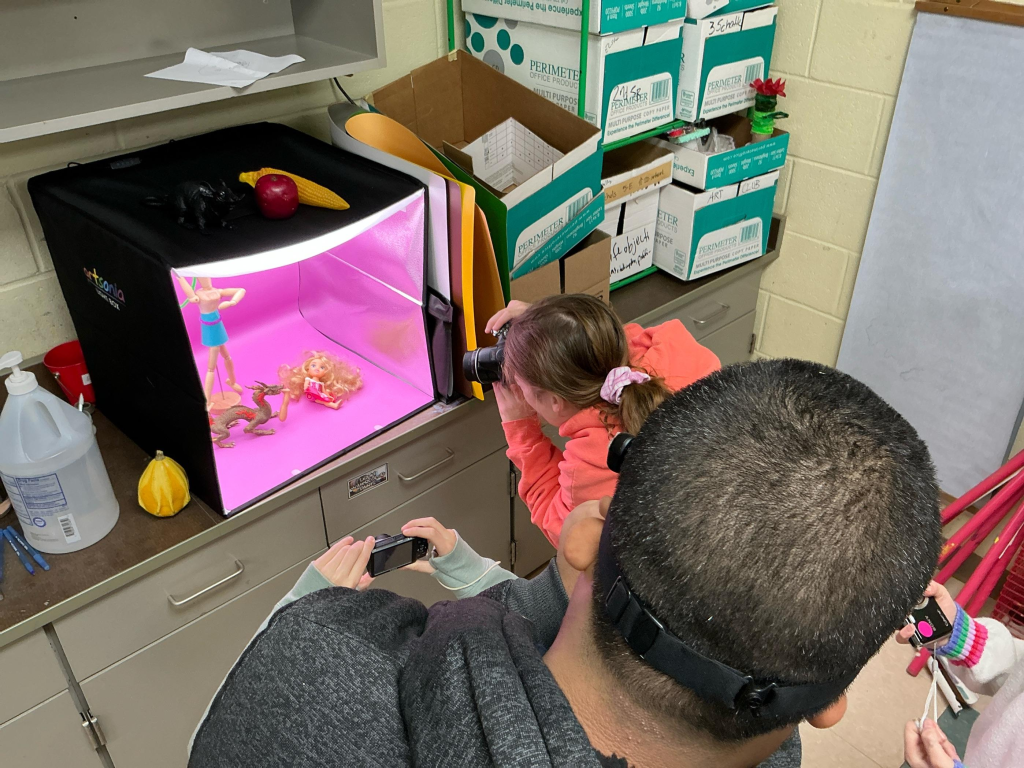
    This year, I introduced point-and-shoot digital cameras into our Media Arts studio—a game-changing tool for student voice, storytelling, and composition.

    I posted a message on ClassDojo, and thanks to generous donations from families in our school community, we now have several working cameras, LED lights, and even a tripod. I also received a light box donated by a parent and another from Artsonia (pro tip: they’re very responsive to teacher requests!).

    Students can:

    • Photograph still life objects, toys, or dramatic lighting setups
    • Use LED lights or light boxes to play with shadows and mood
    • Edit photos on iPads using tools like Pixlr or built-in photo editors

    Sharing options include:

    • 🖨️ Printing (if you have one or your school has a poster printer, even black & white look great!)
    • 🌐 Artsonia digital portfolios
    • 💡 Or your school’s platform (e.g., Seesaw, Google Drive, ClassDojo portfolios, etc.)

    TIP: Reach out to families for donations! Many have old cameras, props, or even lighting gear they’re happy to give.

    ✏️ Drawing Benches: New Energy for the Drawing Studio

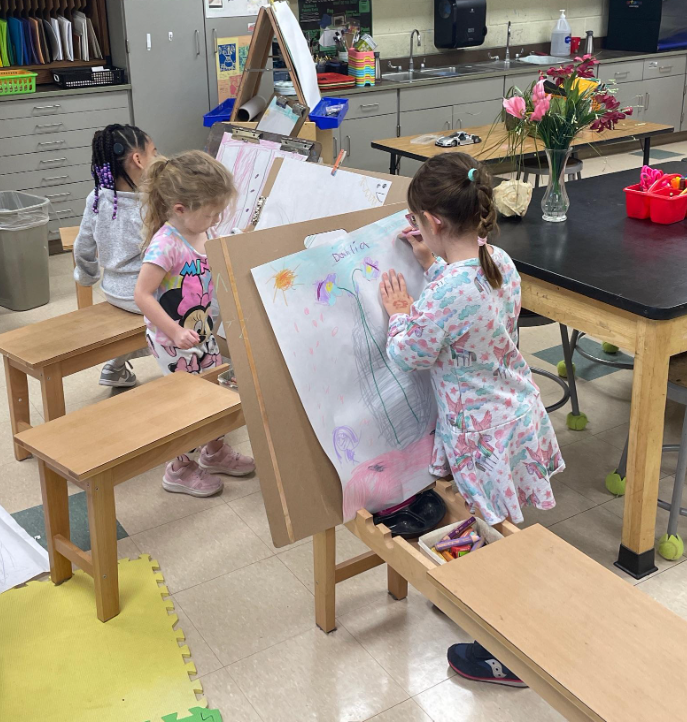
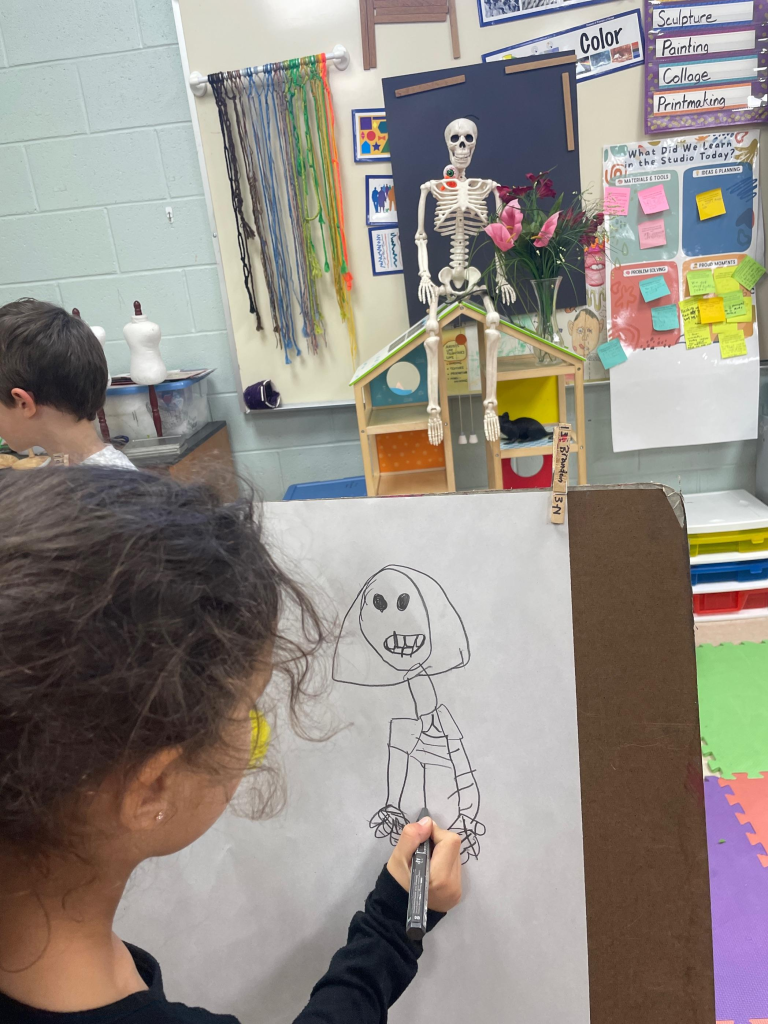
    A small shift with a big impact—this year I added drawing horse benches to our Drawing Studio, and the change in focus and posture has been incredible.

    Students love using these benches to work at a new angle, and I’ve noticed increased focus during observational drawing time. I keep mirrors and still life objects nearby to encourage close looking and slow drawing.
    🧠 Helpful Tools to Support Studio Work

    Some extra tools that have made a huge difference in our day-to-day flow:

    • 💡 LED reading lights – Great for photo lighting or spotlighting objects for observational drawing
    • Light boxes – Useful for layering, tracing, or creating glowing effects
    • 🎯 Objects to photograph – Toys, shells, dollhouses, puppets, figurines—great for storytelling or character development
    • 🔖 Visual clean-up charts – Helps build student independence
    • 🎨 Labeled studio centers – Use consistent signage and color coding to make studio navigation easier for all students

    🔄 Refining & Evolving

    While I still use sketchbooks and Osmo Masterpiece in my classroom, I didn’t feature them in this post as I’ve been focusing on building up new centers like photography and sculpture. TAB classrooms are always evolving—and what’s featured changes depending on student interest and studio flow.

    That’s one of the many reasons I love this approach: we adapt, grow, and respond to the artists in our room. 🎨


    🛠️ Download My Updated Studio Tips

    Want a peek into my full set of classroom tools and strategies?
    Click here to view the updated Tips & Tricks for TAB Studios Canva resource.


    💬 Join the Conversation

    What’s one tool or center you’ve added to your studio that made a big difference?
    I’d love to hear how you’re starting your year strong—drop a comment, or tag me on Instagram @inspiredarted!

  • Hello from Louisville, KY! I just arrived at NAEA 2025, and I couldn’t be more excited to present, learn, and connect with fellow art educators from across the country. This conference is always an inspiring space to exchange ideas, dive into new trends, and celebrate the power of art education.

    This year, I’m honored to present three sessions that focus on the intersection of Teaching for Artistic Behavior (TAB), AI in the Art Room, and student portfolios. If you’re attending NAEA, I’d love for you to join me, ask questions, and share your experiences!


    📢 My NAEA Presentations – Join Me!

    🔹 🎨 Navigating AI in Art Education – How can AI enhance creativity rather than replace it? I’ll be sharing hands-on applications, lesson ideas, and ethical considerations for integrating AI into the art classroom.

    🔹 🖍️ Reviving the Spark: Strategies for Confident Drawing in a TAB Studio – Exploring ways to encourage student choice and artistic growth through diverse drawing techniques, observational exercises, and media exploration.

    🔹 🏆 Creative Tracking: Portfolios and Challenge Badges in Elementary TAB Studios – How do we help students track progress, reflect, and showcase their work in a choice-based art studio? This session will break down digital and physical portfolio strategies, plus a look at using challenge badges for engagement.


    Let’s Connect!

    Whether you’re attending NAEA in person or following along from afar, I’d love to continue the conversation beyond my sessions! Let’s discuss:
    💡 What excites (or challenges) you about AI in art?
    📚 How do you help students develop their portfolios?
    🎭 What are your favorite ways to promote choice in the art room?

    If you’re at NAEA, come say hi! Otherwise, drop a comment below or connect with me on TikTok, Instagram, or Facebook to keep the discussion going!

    Looking forward to an incredible few days of learning and sharing. Let’s make the most of NAEA 2025! 🎨🚀

  • A colorful digital banner for Dr. Sery’s blog, featuring the text 'Dr. Sery – Inspiring Creativity Through Visual & Media Arts.' The background transitions from soft peach to light blue, evoking a warm and creative atmosphere. The banner includes a variety of art tools such as watercolor paints, paintbrushes, clay sculpture tools, glue, and scissors, representing traditional visual arts. On the right side, digital and media arts are depicted with a stylized smartphone, pixelated game-like graphics, a 3D printer with a clay pot, and a video editing frame. A playful Bitmoji of Dr. Sery is jumping joyfully among pixelated grass and mushrooms, symbolizing creativity and engagement in the digital world.

    For nearly 20 years, I’ve been immersed in the world of art education, helping students discover their creative voices through Teaching for Artistic Behavior (TAB), the Studio Habits of Mind (SHoM), Media Arts, and—most recently—AI. Throughout my journey, I’ve tested countless approaches, refined classroom studios, and explored the intersection of technology and creativity.

    Now, I’m excited to share what I’ve learned with you—fellow art educators, professors, and creative minds looking to grow and adapt in an evolving educational landscape.


    What You’ll Find on This Blog

    This space will be a mix of practical strategies and reflective insights, all centered around fostering creativity in student-driven art studios. Expect posts on:

    🎨 Studio Tips & Tricks – How I set up and manage different classroom studios, from drawing and painting to digital and sculpture. I’ll share what works, what doesn’t, and how you can adapt these ideas for your own space.

    🤖 AI in the Art Room – AI is changing the way we teach and create. I’ll break down how I use AI tools to enhance learning, generate ideas, and expand creative possibilities—while keeping student choice at the center.

    🖌️ The TAB Experience – Teaching with TAB is both empowering and challenging. I’ll share my experiences, successes, and strategies for making a choice-based classroom work, no matter your students’ skill levels.

    🔗 Resources & Outside Inspiration – If I find an amazing tool, book, or article, I’ll link to it so you can explore it too. This blog is all about collaboration and sharing what makes our teaching stronger.


    Why This Matters

    I believe that art classrooms should be spaces of exploration, critical thinking, and personal expression. Whether you’re a seasoned TAB teacher, new to AI in the classroom, or just curious about expanding your teaching approach, this blog is for you.

    If anything I share sparks a new idea for your classroom, let’s talk about it! Drop a comment, share your experiences, or connect with me on social media.

    What’s one challenge or topic you’d love to explore in art education right now? Let’s start the conversation! 👇